Melamine Tableware in Hospitality: Selection, Care and Rules
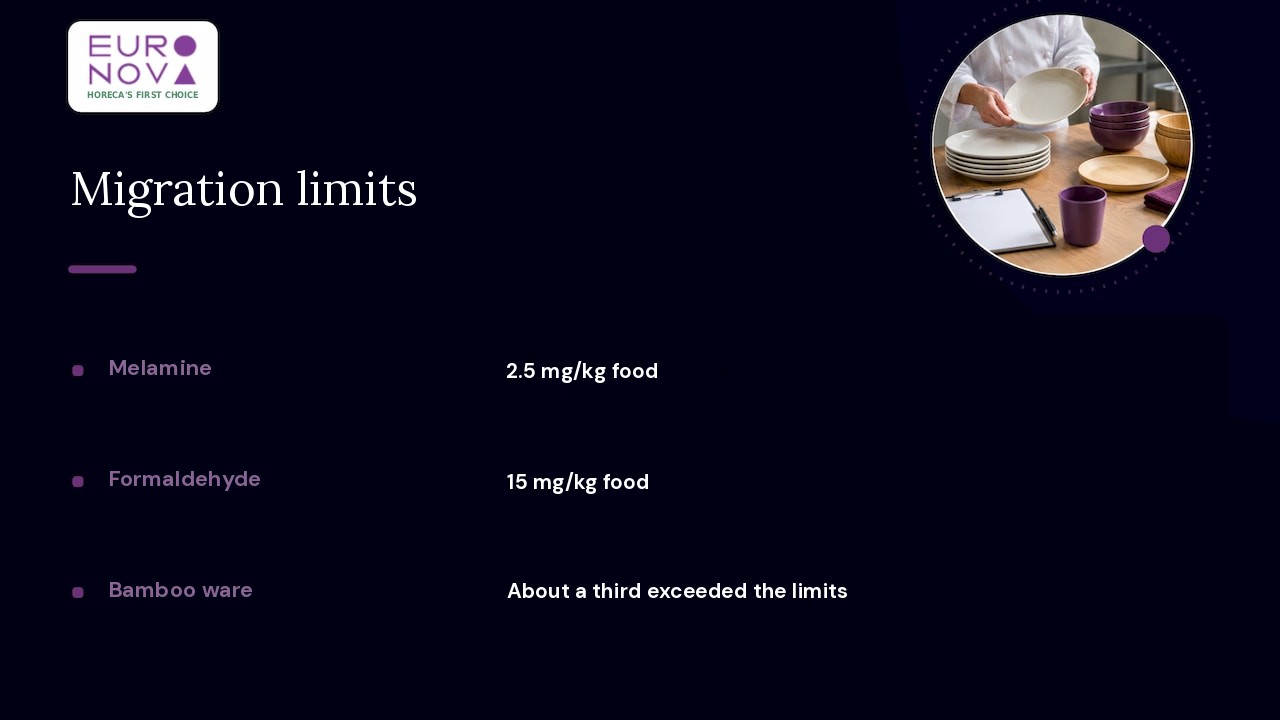
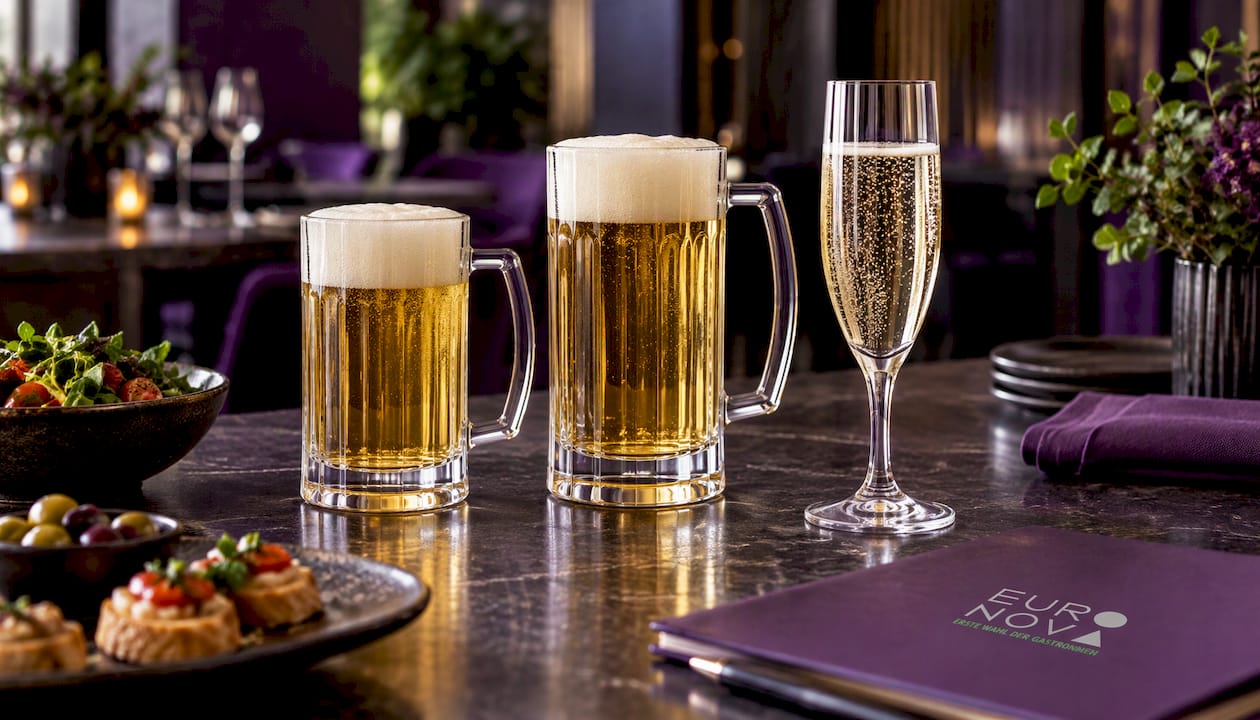
Melamine tableware pays off in hospitality wherever a lot is carried, stacked and washed, and wherever porcelain breaks too often: at the buffet, on the terrace, in nurseries, care homes and institutional catering. It is light, break-resistant and dishwasher-safe. Use it for plates and bowls, keep it away from coffee, soup and the microwave, and it will serve you well for a long time. It goes together with suitable glasses and robust cutlery, and the easiest way to get everything is from a supplier who stocks the whole table. Here you will learn what melamine is designed for, which rules apply, how to care for it in a commercial dishwasher and what to look for in plastic glasses and stainless steel cutlery. Melamine, more precisely melamine-formaldehyde resin, is a hard thermoset plastic. Thermoset means that once cured, it no longer softens when heated. It is used to make plates, bowls, platters and serving bowls that look like porcelain but behave completely differently when they fall. Your team feels it with every course. According to an industry report in Catering Management, a melamine plate weighs around 200 g, while a comparable porcelain plate weighs about 300 g. On a tray of six plates that is 600 g less, and with several hundred covers per shift it makes a big difference for service and the dish room. The same report describes melamine tableware as having a temperature range of -28 to +93 °C and as dishwasher-safe. For daily work in high-volume businesses, that is a strong argument. Typical areas where melamine pays off: As early as 2018, the trade press reported that melamine had arrived in every area of hospitality and deserved a look beyond the classic plate, particularly in institutional catering. Its appearance has caught up long since: matt surfaces, stone looks and dark ranges are now on the tables of ambitious restaurants too. Melamine is dining and serving ware, not cookware. That is exactly what official advice focuses on. Germany's Federal Institute for Risk Assessment (BfR) sees no health concerns with cold or lukewarm food. However, melamine tableware is not suitable for hot liquid foods such as coffee or soup, or for the microwave. The German consumer organisation Verbraucherzentrale names 70 °C as the upper limit and advises against using it for cooking or in the microwave. In practice this means: When planning, assign clear roles: melamine for the buffet, cold and warm plates and outdoor areas; porcelain for soup cups and hot drinks; stainless steel and gastronorm for everything that is heated or kept warm. For mise en place and regeneration, use polypropylene GN containers that fit every standard system. Our article Commercial kitchen equipment: what to buy and how to choose shows how to divide these areas sensibly in a professional kitchen. Brief your team once: anyone who knows that soup goes into the porcelain cup and not the melamine bowl will get it right even under pressure. In the EU, plastic tableware falls under Regulation (EU) No 10/2011 on plastic materials. It sets how much of a substance may at most migrate from the material into food, known as specific migration limits. According to the BfR, the limit for melamine is 2.5 mg per kilogram of food and for formaldehyde 15 mg/kg. In the BfR's assessment, a one-off exceedance does not pose a health risk in most cases. One issue that concerned many businesses a few years ago has been resolved: so-called bamboo ware, meaning melamine with bamboo or other plant fibres. According to the BfR, around a third of these items exceeded the limits in tests. Plant-based fillers are not authorised under the EU plastics regulation, and these products have largely disappeared from the market. For your purchasing this means: buy melamine tableware as hospitality goods from a professional supplier who clearly labels the product as food-safe plastic. Keep the invoice and product details in case a food inspector asks. The dish room is where it becomes clear how long melamine stays in service. The AKGGS practical handbook on commercial warewashing counts melamine among the more dishwasher-resistant plastics. AKGGS is a German working group of warewashing and detergent manufacturers, tableware producers and users. Its recommendations add up to a simple routine: Knife scratches, sliding across rough surfaces and abrasive cleaners are the most common reasons surfaces turn dull. With the right steak cutlery (serrated edges only where needed) and soft sponges, the finish stays good for a long time. Remove items with deep cracks or heavy staining and reorder. In hotels and large venues, all of this depends on the dish room team. If you cannot staff that area yourself, an article on dishwashing staff for restaurants and hotels gives an overview of how stewarding can be outsourced. What applies to plates applies even more to glasses: by the pool, at a beach bar, in a marquee or in a nursery, broken glass is costly and dangerous. According to Catering Management, a restaurant on the island of Sylt serving around 3,000 meals a day reported in 2018 that its plastic glasses broke 50% less often. Drinks also stayed cold longer, because plastic has a lower heat capacity than glass. The material deserves a second look: Plastic is not needed everywhere. Behind the bar, in the restaurant and in the hotel, glass remains the material of choice, and robust ranges cope well with daily hospitality use. One example from our range is the Disco Rubikap beer glass 34 cl, also available in 56 cl, together with the matching Disco champagne glass 18 cl. A sensible mix: glass at the bar and indoors, BPA-free plastic wherever there are barefoot guests, children or cobblestones. A break-proof plate needs cutlery that survives hundreds of wash cycles without stains. The designations 18/10 and 18/0 describe the alloy: 18/10 stands for 18% chromium and 10% nickel, 18/0 for 18% chromium without nickel. The chromium forms a thin protective layer of chromium oxide which, according to AKGGS, renews itself in the presence of oxygen if damaged. That is what makes it rust-resistant. 18/10 is the usual standard in restaurants and hotels, while 18/0 is a solid choice for canteens, catering and outdoor areas. Whether cutlery stays shiny for years, however, depends on the washing routine. The German Stainless Steel Information Centre (ISER) recommends, among other things: If stains do appear, the AKGGS classification helps: rust spots are usually extraneous rust, for example from damaged racks or other items, and should be wiped off immediately. Pitting, small point-like spots of corrosion, is caused by too much chloride. The chloride content of the water should not exceed 50 mg/l. Blue, purple or rainbow-coloured discolouration is harmless and can be removed with a descaling solution free of hydrochloric acid, ideally straight away. Before you order, a quick review is worthwhile. These questions help with the decision: An example: a hotel with a breakfast buffet and a pool bar switches the buffet display and the pool area to melamine, keeps porcelain for coffee, egg cups and the a la carte restaurant, and uses BPA-free plastic glasses at the pool. 18/10 cutlery is used in all areas. That way, changes are made only where breakage really costs money, and the dish room works with clear rules. We do not see melamine as a replacement for porcelain, but as a tool in its own right for specific tasks. At the buffet, on the terrace, in nurseries and in catering, it saves weight and breakage, and therefore money, and its looks no longer need to hide. What matters is that plates, glasses and cutlery fit together as a system: melamine for the buffet and outdoor areas, porcelain and glass for hot drinks and the bar, GN containers for the kitchen and cutlery that can handle the dishwasher day after day. Putting this together with one supplier makes planning easier, reordering faster and keeps your ranges under control. That is exactly why our range is broad, from plates and porcelain through glasses and cutlery to food storage and catering appliances. Rok At Euronova, restaurants, hotels, bars, cafés, caterers, schools, nurseries and care homes find plates and porcelain, glasses and glassware, cutlery and serving utensils, as well as cookware, kitchen utensils and food storage and transport products, in one B2B shop. Put your equipment together directly in the Euronova online shop. Yes, melamine is one of the more dishwasher-resistant plastics and is designed for commercial dishwashers. Use chlorine-free detergents, as active chlorine can cause yellow discolouration. Long hot phases above 65 °C shorten its life, so use disinfection programmes selectively. Yes, as serving and dining ware for warm dishes that come ready from the pass. It is not suitable for hot liquids such as soup or coffee, for the microwave, or for cooking or keeping food warm. The Verbraucherzentrale names 70 °C as the upper limit. The BfR sees no health concerns for cold and lukewarm food. Low weight and break resistance are particularly valuable there. Serve hot soups and drinks in porcelain. The EU has banned bisphenol A in food contact materials with Regulation (EU) 2024/3190. The general transition period ended on 20 July 2026. For new purchases, choose BPA-free plastic glasses and have your supplier confirm it. Usually it is extraneous rust from other metal parts in the machine, which can be wiped off immediately. Real corrosion in the form of pitting is mainly caused by water with too much chloride; the value should be below 50 mg/l. Wash cutlery soon after use and take it out of the machine as soon as the programme ends.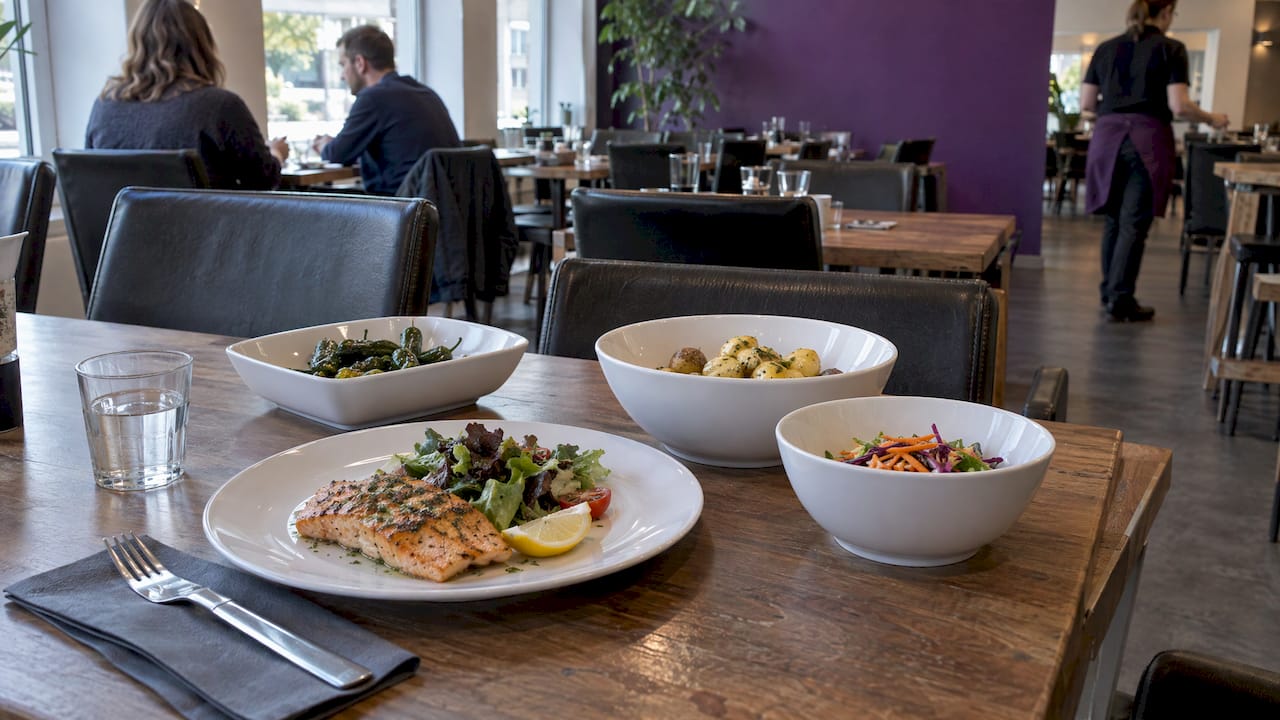
CategoriesIn short
Contents
Where melamine shows its strengths
Temperature, microwave, hot drinks: how to use melamine correctly
Use Is melamine suitable? Better choice Salads, antipasti, desserts, fruit Yes melamine Bread, pastries, breakfast buffet Yes melamine Warm main courses coming from the pass Yes, as a serving plate melamine, do not heat food in the plate Soup, stew, ramen No porcelain or stainless steel Coffee, tea, hot chocolate No porcelain or glass Reheating in a microwave or combi oven No GN containers, porcelain Heat lamp, chafing dish burner, oven No porcelain, cast iron, stainless steel What food law requires
Washing and care in a commercial dishwasher
Plastic and polycarbonate glasses: what matters
Robust stainless steel cutlery for continuous use
Planning your purchase properly
Our view
Tableware, glasses and cutlery at Euronova
Frequently asked questions
Is melamine tableware dishwasher-safe?
Can I serve warm food on melamine plates?
Is melamine tableware suitable for nurseries and care homes?
Can I still buy polycarbonate glasses?
Why does stainless steel cutlery sometimes rust?
Sources
Recommendations