How to Equip a Bar: Equipment List, Bar Layout and Requirements
A bar is equipped around its drinks menu, not around a catalogue. First decide what you sell, how many bartenders work a shift and how many drinks you need to serve at peak times. Only then choose refrigeration, ice, glassware and tools, so that everything is within reach and suitable for food contact. The easiest way to put the finished list together is with a single HoReCa wholesaler. That way you avoid juggling several suppliers, different delivery dates and glasses that do not match at the first restock. Below you will find the order of decisions, a complete equipment list and the requirements that inspectors check. The most expensive mistakes when opening a bar do not come from choosing the wrong brand of blender. They come from buying equipment before anyone has decided what the bar is actually supposed to sell. The Polish trade portal Szef Kuchni points out that bars in restaurants, especially hotel restaurants, are often squeezed into a finished design, and their size rarely matches the size of the dining room. So it pays to answer three questions at the start: The rule for the menu is simple: it has to suit the character of the venue and the skills of the team. Bar consultants stress that a menu that is too long makes work harder and increases stock, while one that is too short limits sales. Every drink on the menu must be repeatable in the same time and in the same glass. Once the menu is set, the equipment list largely writes itself. A bar is a venue with inverted proportions. The kitchen is small or non-existent, while the bar counter works at a pace of several dozen drinks an hour. Each drink involves several movements: ice, spirit, mixing, glass, garnish. Food service designers note that a bartender leaving the counter at peak time costs more than any missing appliance. That is why the bar top is divided into four sections that do not overlap: Under the counter you plan the bottle cooler, ice well, sink and bin, all without leaving the station. The glasswasher stands next to the bar, and the route for dirty glasses from the floor does not cross the serving zone. A few practical tips from real projects. Szef Kuchni advises keeping a cooler for soft drinks and bottled beer behind the bar, and placing the wine fridge, including for red wine, outside the bar so that both bartenders and floor staff can use it. An undercounter freezer is essential, and ideally you have two: one for frozen spirits and ice blocks, the other for chilling glasses. An air-cooled ice machine is better placed in the back of house, because it gives off heat behind the counter. Treat the list below as a framework. Quantities depend on the menu and the number of guests, but the categories are the same in every bar, from a pub to a hotel bar. The most common mistake at this stage is buying an ice machine before anyone has checked where the drain will be. As designers point out, the ice machine location must be planned before fit-out is finished, because it needs water, drainage and service access. Every bartender on shift needs their own set. It is a small cost compared with the time lost looking for a shaker. A bar station, a caddy with compartments for tools, straws, napkins and garnishes, keeps the workspace tidy. For cocktails with crushed ice and margaritas, a separate rack for glasses and ingredients comes in handy. Glassware runs out fastest and is the hardest to replace if you bought a random range. Choose it according to the menu: every drink has its own glass and its own volume, because that decides whether the serve looks the same every time. How many pieces to buy? It is easiest to calculate from the peak: how many drinks of each type you serve in your busiest hour, plus the glasses in the glasswasher at that time, plus a breakage reserve. For example, if you serve 40 drinks in highball glasses at 9 pm on a Friday and the glasswasher cycle takes a few minutes, daily circulation alone is several dozen glasses, plus stock in storage. Doing this calculation once lets you order top-ups without guesswork. If coffee is on the menu, you need an espresso machine, grinder, milk frothing jugs, tampers, knock boxes, cups with saucers and latte glasses. For fresh juices and smoothies, add a citrus squeezer, juicer and bar blender. Each of these appliances takes up counter space and a socket, so check the power and space in the preparation zone, not the serving zone, before you buy. Even a bar without a kitchen serves snacks: nuts, cheese boards, finger food. You need small bowls, side plates, serving boards and cutlery for starters. Then there are items that disappear fastest and are worth ordering in bulk: A glasswasher next to the bar, glass racks, drainers and a rinse sink. In the back of house: storage shelving, GN containers for fruit, herbs and garnishes, lidded containers for storing food in the fridge, and insulated food boxes if you work events off-site. GN containers have standardised dimensions, so they fit the fridge, the display counter and the pass alike. A bar is subject to the same hygiene rules as any food business. In the EU the basis is Regulation (EC) No 852/2004 on the hygiene of foodstuffs, enforced by the national food safety authority. The most important points concerning equipment: It is worth knowing that under Regulation (EU) 2017/625, official controls are generally carried out without prior notice. Agree the details of registering your premises and the requirements for your business with your local food safety authority, and the room layout with a food service designer. Once the menu, bar layout and requirements are settled, what remains is purchasing. The biggest losses here come not from the price of individual products but from fragmentation: glasses from one shop, tools from another, disposables from a third. Each supplier means a separate invoice, a separate delivery date and a different range that may no longer exist in six months. Good practice looks like this: At Euronova you can equip a bar in a single order: glassware and carafes, bar and barista accessories, straws and garnishes, tableware, disposables, GN containers, insulated food boxes, and HoReCa refrigeration and heating appliances. We are a wholesale supplier for restaurants, hotels, bars and caterers, so our prices are wholesale prices. Start with the bar equipment category, and a bar caddy station will keep your workspace organised. Refrigeration and other equipment can be found in the catering appliances section. We supply venues at every stage: those that are just opening and those that have been running for years. From that perspective one thing is clear: the first order is only the beginning. A bar lives on what can be bought again quickly and without surprises: glasses, straws, takeaway cups, till rolls, tools that go missing or wear out. That is why we advise planning your equipment as if you were already planning the second and the tenth order. Glassware from one range, tools in sets for each station, GN containers in standard sizes. Then restocking is a few clicks, not a hunt for a similar glass across three shops. That is exactly why we are building a range that covers everything a venue needs, from tableware to appliances, and keep adapting it to what hospitality businesses need. We want equipping and running a bar to be simple, from the first order to every one that follows. Rok With the menu and the number of bartenders per shift. Once you know what you sell and how many drinks you serve at peak times, you also know how much refrigeration, ice, glassware and how many tool sets you need. Only then plan the bar zones and place your order. An undercounter bottle cooler, a freezer, an ice machine, a sink at the station and a glasswasher. With coffee, add an espresso machine and grinder; with juices and cocktails, a squeezer and blender. Remember that an ice machine needs water, a drain and power planned before fit-out is finished. Count how many drinks of each type you serve in your busiest hour, and add the glasses in the glasswasher at that time plus a breakage reserve. Buy ranges that are easy to reorder, because glassware is topped up regularly throughout the year. Yes. During an inspection they check, among other things, food contact compliance of equipment, separate hand washing and dishwashing, refrigerator temperatures and HACCP documentation. Official controls are generally carried out without prior notice. A hotel bar more often combines coffee, wine and cocktails within one day, so it needs a wider choice of glassware and barista equipment. A pub relies on beer and simpler drinks, so bottle cooling, beer mugs and efficient glass washing matter most.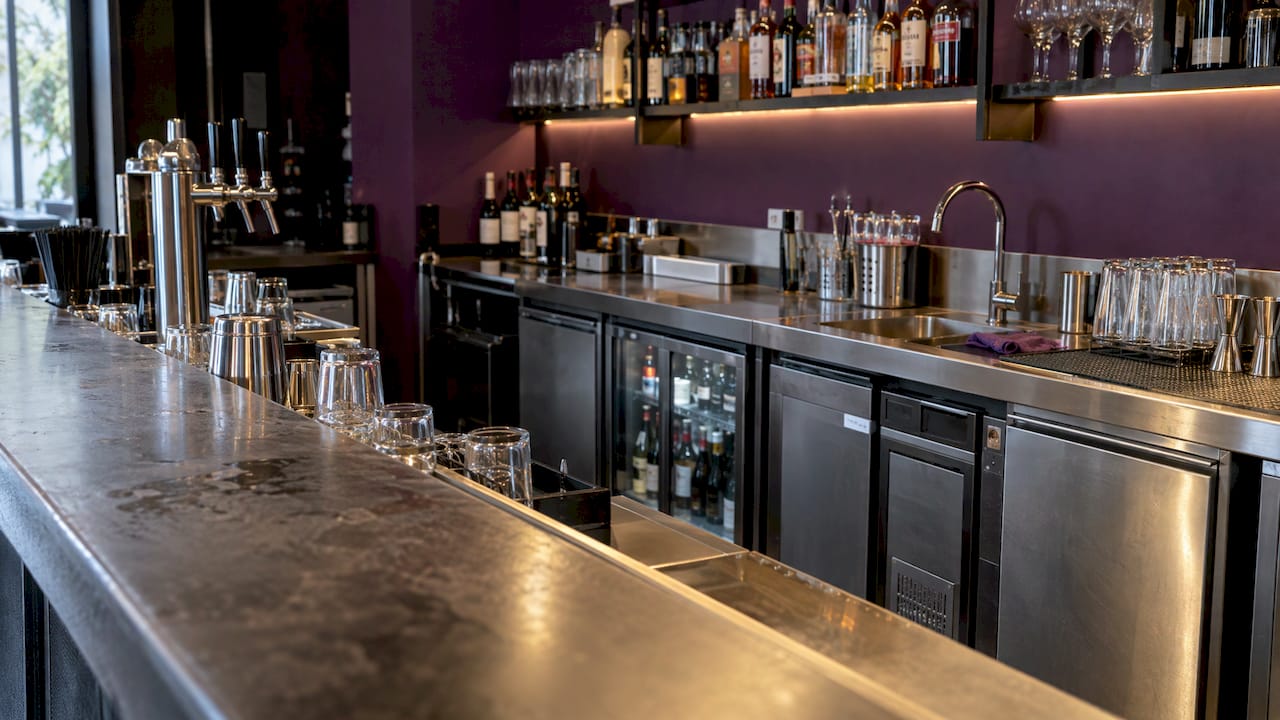
In short
Contents
Concept first: what you sell and who works the bar
Bar counter layout: zones that save steps
Zone What happens there What must be within reach Ordering talking to the guest, till, payment POS system, printer with rolls, menu Preparation mixing drinks, coffee, pouring ice well, bar station, bottles in use, board and knife, garnishes Serving handing over the finished drink coasters, napkins, straws, garnishes, trays Returns taking back dirty glasses from the floor rinse sink, waste bin, glasswasher Bar equipment list step by step
Refrigeration and ice
Bar tools
Glassware
Type of glass For What to look for Old fashioned glasses whisky, cocktails on the rocks thick base, resistance to ice Highball and long drink glasses drinks with mixers, soft drinks capacity for a serve with ice Wine glasses white, red, sparkling one range for the whole dining room Stemmed cocktail glasses martini, coupe, margarita stability, dishwasher washing Beer mugs and goblets draught and bottled beer capacity matching the menu Shot glasses neat spirits measure matching the serve Carafes and jugs water, wine, lemonade wide neck for easier washing Coffee glasses latte, iced coffee temperature resistance Coffee, juices and small appliances
Tableware, disposables and small accessories
Washing and storage
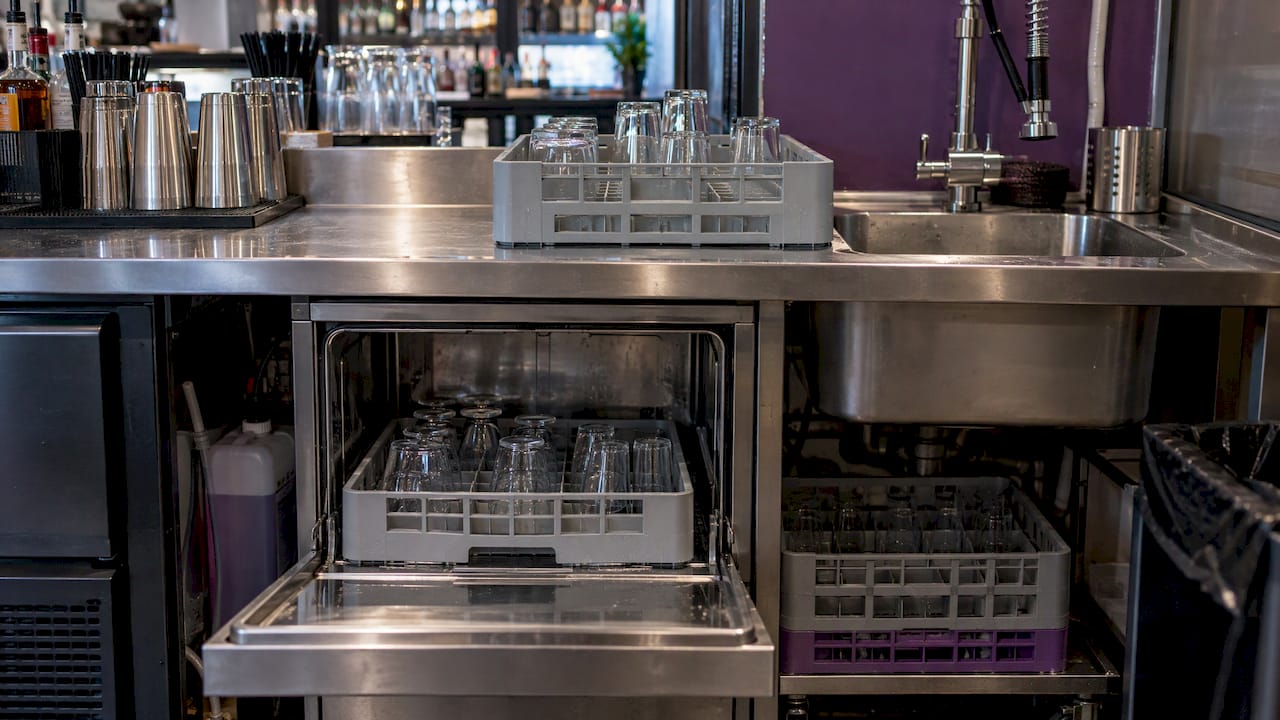
Hygiene and installation requirements to keep in mind
How to order bar equipment without overpaying
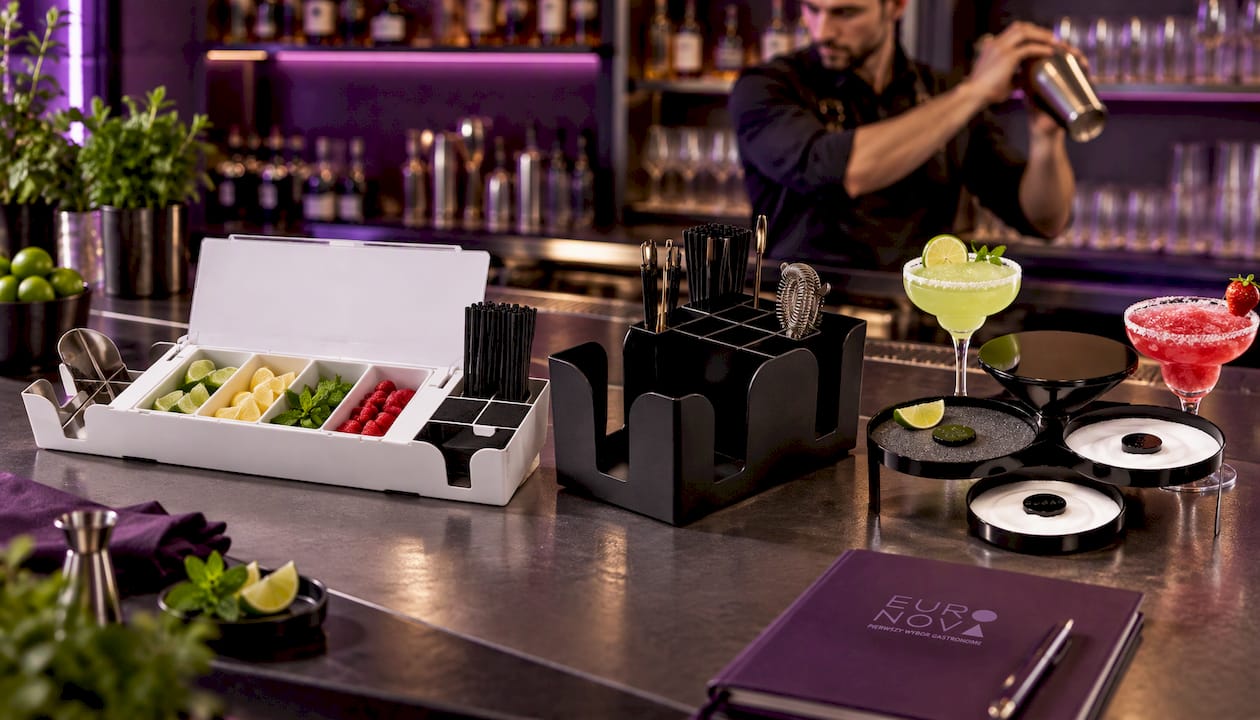
Our view: a bar is equipped once and restocked every week
Frequently asked questions
Where should I start when equipping a bar?
Which appliances does every bar need?
How much glassware should I buy for opening a bar?
Do inspectors check bar equipment?
How does hotel bar equipment differ from a pub?
Sources
Recommendations