Removing Grease in the Kitchen: A Guide for Commercial Kitchens
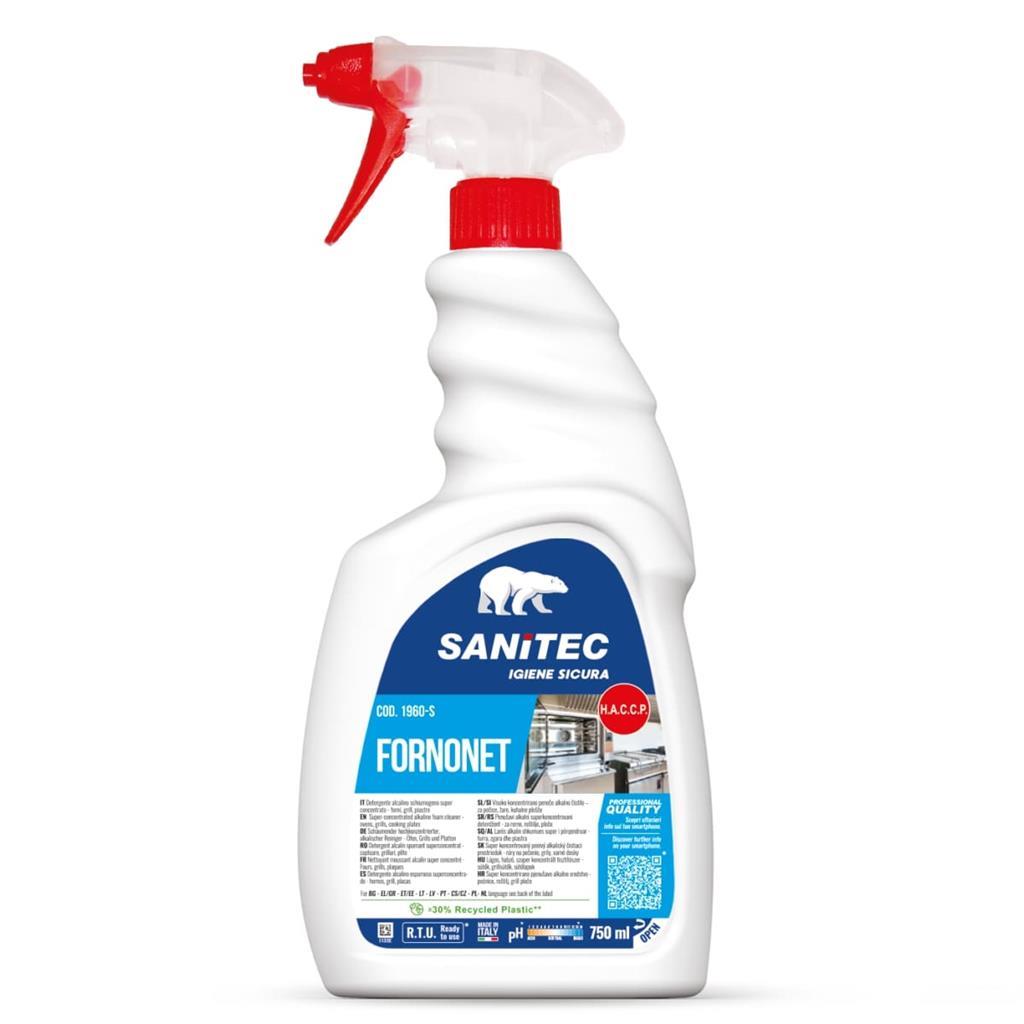
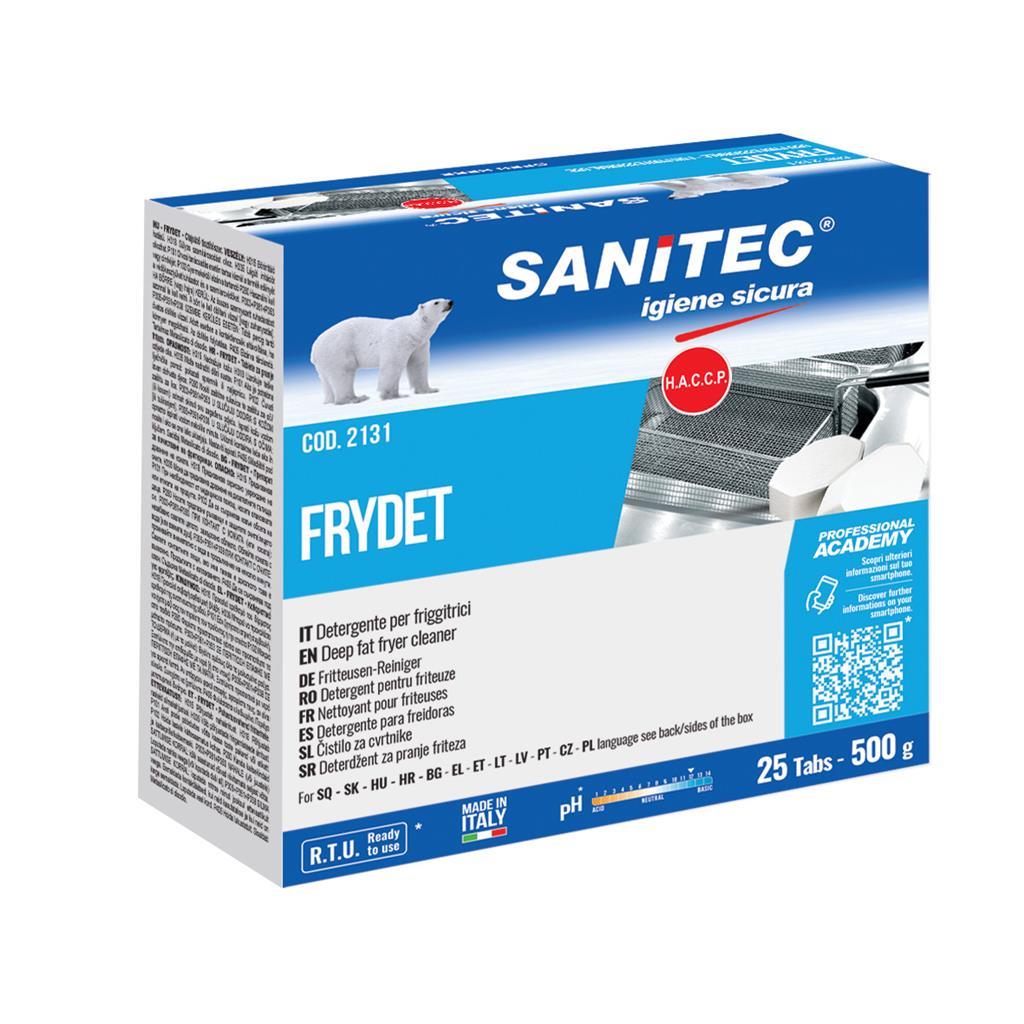
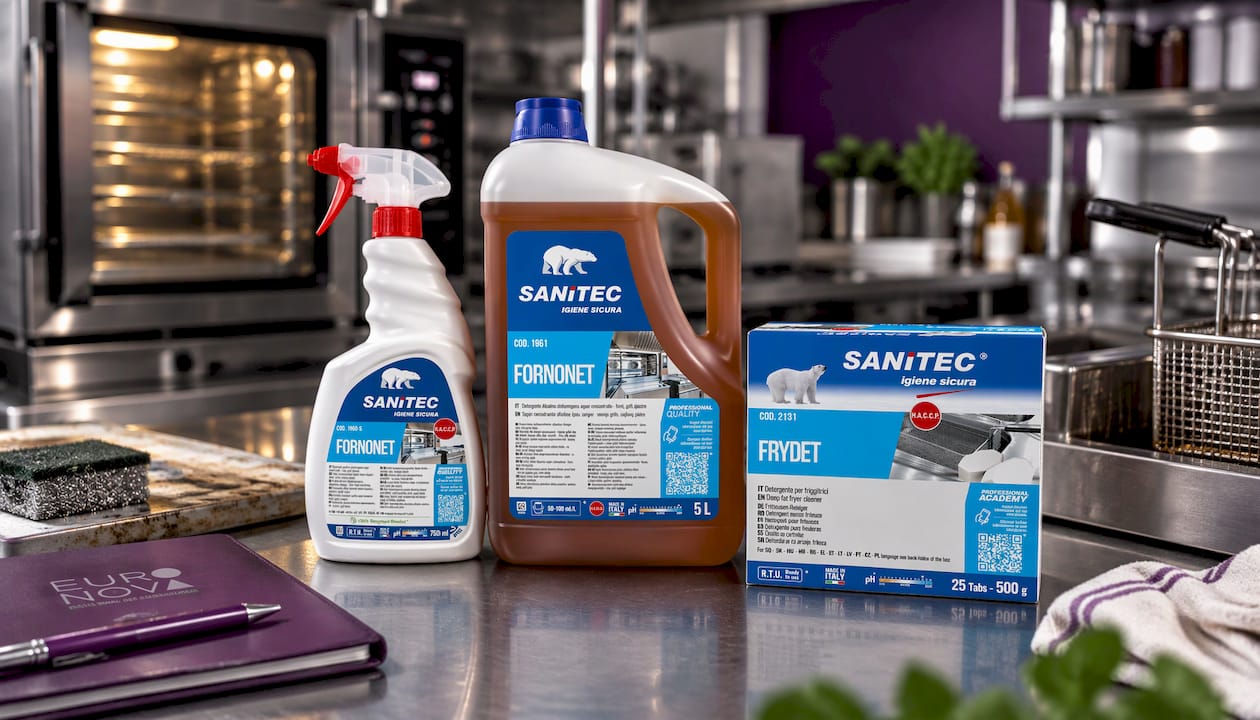
In a commercial kitchen, grease is not an occasional problem but part of every shift. It spatters from pans, rises with steam and settles on hoods, shelves, tiles and appliances. You remove it fastest when the right professional cleaner is ready for each surface and cleaning always follows the same order. A clean kitchen is not the result of elbow grease and home remedies, but of the right chemistry and a fixed routine. Here you can read which cleaner goes where, how to proceed step by step, and where the most common mistakes happen in restaurants, hotels, canteens and pizzerias. Grease in the kitchen is not always the same. Understanding that helps you choose the right cleaner and saves a lot of wiping. Fresh grease spatter sits on the surface. It is still soft and can usually be removed in one pass with a degreasing cleaner and a clean cloth. That is why it pays to remove spatter straight after service rather than waiting for the deep clean. Grease carried by steam is the real problem in a commercial kitchen. When frying, deep-frying and cooking, fine droplets of grease rise with the steam and settle on every surface: the hood, wall cupboards and shelves, wall tiles, lights and ventilation grilles. Over time this film binds dust and becomes dull and sticky. If it is heated again and again, for example on the hood or above the range, it hardens further. Baked-on grease in ovens, combi ovens, grills and fryers has carbonised at high temperatures. An ordinary surface cleaner will hardly get you anywhere. The German cleaning products industry association IKW (Industrieverband Körperpflege- und Waschmittel) explains that alkaline degreaser sprays with surfactants also dissolve aged, stubborn grease films. Surfactants are the active substances that lift grease off the surface and hold it in the water. The alkaline formulation makes the grease break down faster. In practice this means: against kitchen grease, the right formula wins, not the stronger arm. The most common mistake in commercial kitchens is not too little cleaning, but one cleaner for everything. The IKW distinguishes three basic types: alkaline cleaners work particularly well on greasy soiling, neutral cleaners are especially gentle on materials, and acidic cleaners dissolve limescale. So an acidic cleaner is the wrong tool against grease, even though it is indispensable in washrooms. A test of 14 spray cleaners by the German consumer organisation Stiftung Warentest also shows that specialised products make the difference: kitchen cleaners cope better with grease than all-purpose cleaners. The following overview sums up what goes on which surface: A few points in detail: Wood, aluminium and paint: according to the IKW, alkaline degreasers must not be used on wood, aluminium or painted surfaces; high-gloss fronts are usually plastic-based and tolerate degreasers well. In hospitality this mainly concerns bar cladding, dining room furniture, service stations and aluminium parts of appliances and trays. Stainless steel: for very stubborn, encrusted soiling, the IKW recommends special stainless steel cleaners. Products for polished stainless steel are acidic and contain polishing particles and care components, while products for brushed stainless steel usually contain no polishing particles. So check before buying whether your surfaces are polished or brushed. Natural stone: according to a dpa report in the FAZ newspaper, IKW cleaning expert Bernd Glassl advises wiping natural stone only with water and a fresh cloth, and using neutral cleaners for wood, aluminium and paint. This applies to bar tops, buffet counters and worktops made of granite or marble. In a commercial kitchen, time matters as much as the result. This routine works for the daily close-down clean as well as the weekly deep clean. Prepare. Switch off appliances and let them cool down, unless the cleaner is expressly designed for warm application. Remove or cover food, open containers and clean tableware in the work area. Put on gloves: strong alkaline solutions do not only degrease surfaces; as VerbraucherService Bayern explains using washing soda as an example, an alkaline solution degreases skin too. With sprays, do not breathe in the mist and make sure the area is ventilated. Dry pre-clean. Remove crumbs, dust and loose residue dry first. Wiping wet straight away turns dust and grease into a smeary paste. This applies especially to the tops of wall cupboards, shelves and hoods. Top to bottom. Start with the hood, wall shelves and wall cupboards, then walls and tiles, then worktops and appliances, and finally the floor. That way dissolved grease never drips onto surfaces you have already cleaned. Apply the cleaner correctly. On robust surfaces such as tiles or stainless steel, spray the kitchen cleaner on directly. On delicate fronts, apply it to the cloth so that no liquid runs into joints and edges. Follow the dosage on the label: more concentrate does not mean more effect, just more residue. Let it work. This is the step most often skipped under pressure. Give the cleaner the stated contact time so it can loosen the grease. With an old, sticky film, this is more effective than any amount of scrubbing. Wipe section by section. Work in strips and switch regularly to a clean side of the cloth or a fresh cloth. A smeared cloth only moves grease from one place to the next. For multi-layer deposits, plan two or three calm passes. Rinse with clean water. Remove cleaner residue with clean water, especially on all surfaces that come into contact with food. The cleaner manufacturer's instructions take precedence. Dry. Finally, wipe dry with a lint-free cloth. This prevents water marks on stainless steel and glass and protects wooden and foil edges from moisture. Not every surface needs the same effort. These areas deserve special attention in restaurants, hotel kitchens and canteens. This is where most of the steam-borne grease collects, and it is heated again and again by the range below. Clean hood surfaces with a strong kitchen cleaner and the filters according to the manufacturer's instructions. Cleaning the filters regularly stops the deposit from building up into a hard layer that is almost impossible to remove later. In ovens, the grease is baked on. According to the IKW, oven and grill cleaners are mostly strongly alkaline sprays with surfactants and water-soluble solvents that are applied cold or hot depending on the soiling. For combi ovens with their own cleaning programme, check which products the appliance manufacturer approves. In pizzerias, snack bars and hotel kitchens, the fryer is often the biggest source of grease. Old oil turns resinous on the walls and heating elements. A special fryer cleaner dissolves these residues during a boil-out, without hours of scrubbing by hand. These surfaces are rarely seen, so they are easily forgotten. Yet that is exactly where the sticky mix of grease and dust builds up. Wipeable liners on cupboard tops and shelves are easy to replace and keep the film off the actual surface. Grease loosened from above ends up on the floor. A greasy kitchen floor is not just a hygiene problem, it is also a matter of slip safety for your team. That is why it always comes at the end of the cleaning round, with a floor cleaner designed for greasy soiling. You will find suitable products among our floor cleaners. A lot of damage to kitchen furniture and appliances is caused not by dirt but by the wrong cleaning. These are the mistakes described most often in practice: If a front remains sticky after several correct passes, the cause is often no longer grease but an aged coating. In that case, the furniture manufacturer's care instructions will help more than a more aggressive product. In hospitality, a fixed routine is the most effective protection against grease. A simple plan posted in the kitchen makes sure every shift knows what to do: For the plan to work, the supplies have to be where they are needed: kitchen cleaner, neutral cleaner, special cleaners for the oven and fryer, plenty of clean cloths and gloves. Calculating your monthly needs once and ordering them together stops the team from reaching for the wrong product because the right one has run out. Read more about basic equipment in our article Commercial kitchen equipment: what to buy and how to choose. In our range of kitchen cleaners and special cleaners you will find products for the grease hotspots covered in this guide. For baked-on grease in ovens we stock the Fornonet oven cleaner in a 750 ml bottle, and for high-volume businesses the Fornonet Sanitec oven cleaner in a 5-litre canister. For the fryer there are Sanitec fryer cleaning tablets (500 g). This lets you order cleaning products together with tableware, kitchen utensils or packaging in a single order. You will find the full range in the cleaning supplies category. When we talk to businesses about kitchen grease, the question is rarely whether they clean. Every commercial kitchen cleans every day. The question is what with. A kitchen where one spray bottle has to do everything loses time every evening: the grease film on the hood needs three passes, the painted bar front turns dull, and the oven stays encrusted. With a clear set of kitchen cleaner, neutral cleaner and special cleaners for the oven and fryer, the close-down clean becomes a routine every team member carries out the same way. That is why we see cleaning products as part of the kitchen equipment, just like cookware or knives. Choosing them with the same care and buying them together protects appliances and furniture and gives the team the tools it needs for a grease-free kitchen. Rok An alkaline kitchen cleaner with surfactants works best, as it also loosens aged grease films. Let it work for the stated time and wipe in several calm passes with a fresh cloth. On wood, aluminium and paint, use a neutral cleaner instead. Work in a fixed order: dry pre-clean first, then top to bottom, meaning the hood and wall cupboards before walls, worktops and appliances, with the floor last. Use the right cleaner for each surface and special cleaners for the oven, grill and fryer. After degreasing, rinse with clean water and dry. First remove dust and loose residue dry, then, for delicate fronts, apply the cleaner to a soft cloth and wipe the surface. On very sticky spots, let the cleaner work instead of scrubbing. Wipeable liners on cupboard tops will keep the grease film off the surface in future. Oven and grill cleaners are strongly alkaline and made for baked-on grease in ovens. They are too strong for fronts, furniture, aluminium or natural stone. Use them only where the label says so, and wear gloves.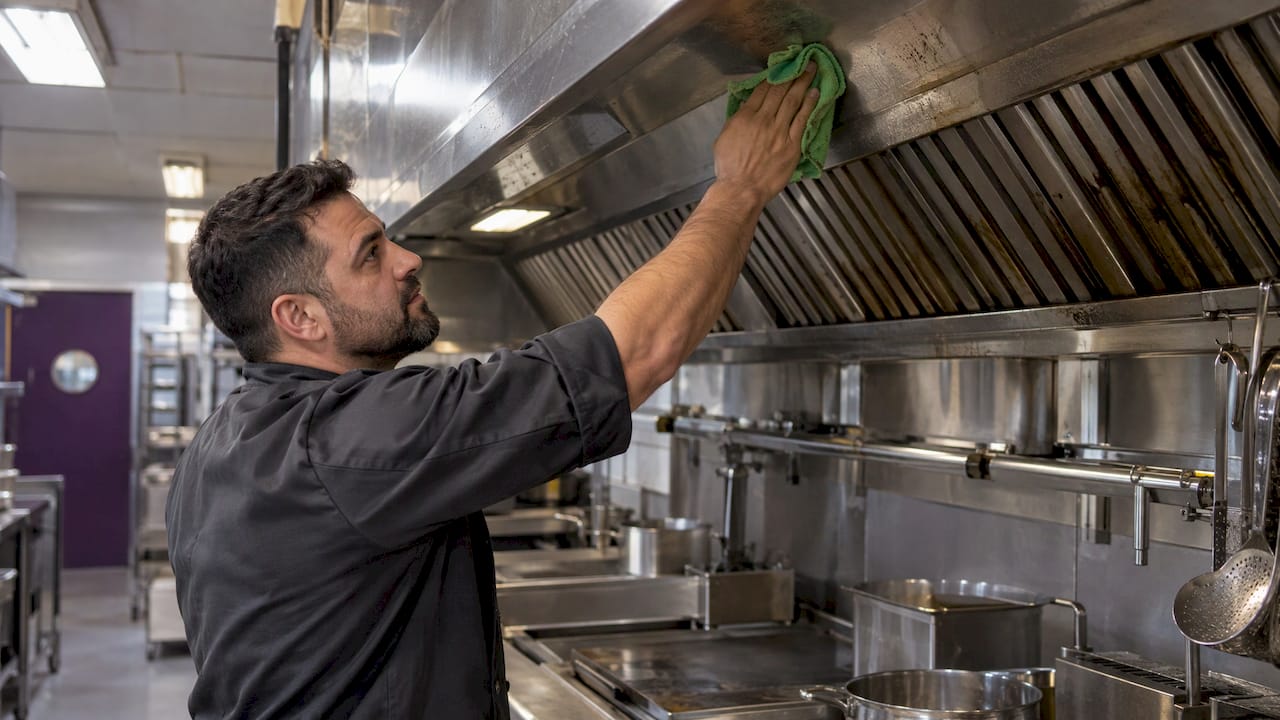
In short
Contents
Why kitchen grease is so stubborn
Which cleaner goes on which surface?
Surface Suitable cleaner What to watch Glass, plastic, glazed tiles alkaline degreaser (kitchen cleaner) let it work, then rinse with clean water Plastic-based high-gloss fronts degreaser or neutral cleaner soft cloth, no abrasives Painted fronts, wood, aluminium neutral cleaner no alkaline degreasers, little water Stainless steel (worktables, sinks, appliances) kitchen cleaner, stainless steel cleaner for encrusted dirt choose a product that matches the finish Natural stone water and a fresh cloth no acids, no cleaner residue in the pores Oven, combi oven, grill oven and grill cleaner manufacturer's instructions on temperature and contact time Fryer special fryer cleaner only according to the appliance manufacturer's instructions Step by step: removing grease in a working kitchen
Grease hotspots in the commercial kitchen
Extractor hood and grease filters
Oven, combi oven and grill
Fryer
Wall cupboards, shelves and ventilation grilles
Floor
What to avoid when degreasing
Preventing grease: the cleaning schedule makes the difference
Professional cleaners for your kitchen at Euronova
Our view from hospitality purchasing
Frequently asked questions
What removes old, sticky grease in the kitchen best?
How do I clean a very greasy commercial kitchen?
How do I get grease off wall cupboards?
Can I use oven cleaner on other surfaces?
Sources
Recommendations